Learning Blog
Your Disabled Child is Bullied? Advice and discussion

Written by Lizzie Learn
On 9th Feb 2017
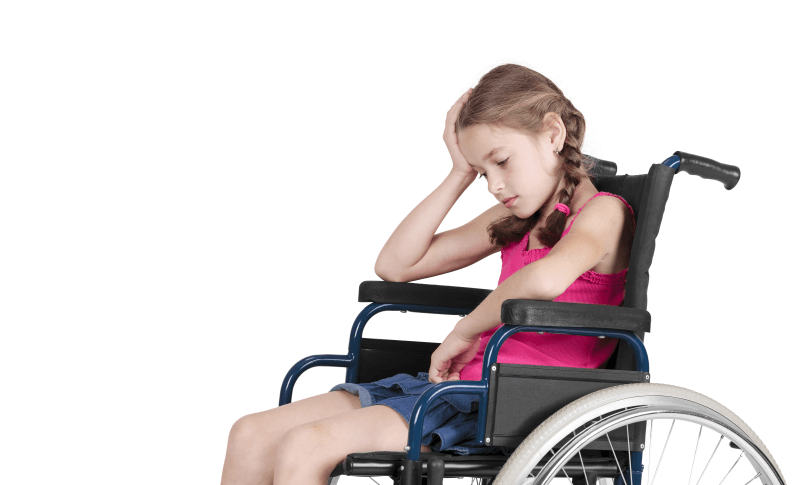 When addressing the issue of bullying in schools, it is important to take time and attention to explore the challenges children with disabilities and special health needs could face.
Children with disabilities are more vulnerable to bullying
Statistics consistently show that students with disabilities are up to three times more likely to be bullied, compared to non-disabled students. The motives behind that type of bullying could stem from society's negative attitudes towards disability, individuals' existing assumptions and prejudices, as well as the physical vulnerability and social skill challenges disabled children could experience. * Disabled children are often perceived as “different”. * They may struggle to make friends. * They may require special support and attendance at school. * Disabled children may go through many transitions, which makes them even more vulnerable. Although it is not necessarily the case that a child with a disability or special health needs will be subjected to bullying, it is essential that parents are aware of the signs, preventative measures and support available for victims of bullying. As disabled children could be more reluctant in sharing information about bullying, or worse yet - not realise they are being bullied, it is instrumental that their parents keep a consistent watch out for symptoms of occurring bullying and prepare their children for such a scenario, as best as they can.Types of bullying disabled children may experience
Bullying comes in many shapes and forms, including: * Verbal - name calling, teasing, and bullies using offensive language towards the victim. * Physical - hitting, pulling hair, kicking, etc. * Indirect - spreading rumours and nasty stories about the victim. * Cyberbullying - bullying that happens over the internet, through digital communication channels and social media. In addition to the above, disabled children could face the following types of bullying: * Manipulative - describing a situation when they are being consciously and maliciously manipulated by another child. * Exploitative - describing a specific type of bullying where features of the disabled child's condition are used to bully them and put them down. * Conditional friendship - when somebody identifying themselves as a friend alternates stages of friendly behaviour with stages of abusive behaviour. Keep in mind that it may be particularly difficult for a child with special needs to understand, assimilate, properly address and communicate such incidents to parents and school staff. Therefore, it is crucial to be aware of the telltale signs your child is being bullied.Signs your child is being bullied
In a guide prepared by Contact a Family, parents of disabled children and children with communication difficulties were asked what clues to look for in order to recognise bullying. The tips they gave include looking out for the following signs: * Withdrawing behaviour - spending a lot of time alone, shying away from social gatherings of their peers, not talking. * Exhibiting transitions in behaviour - showing signs of aggressiveness at home, becoming depressed or anxious, having unexpected incidents of bed wetting. * Displaying reluctance to go to school or take the usual route to school. * Coming home with missing belongings, as well as inexplicable cuts and bruises. * Frequent mood changes. If you discover one or more of the above signs, combined with behaviour that is out of the ordinary for your child, it may be worth trying to investigate further. Talking to your disabled child about potential bullying is a sensitive matter, which should be approached with ultimate understanding. It is worth preparing yourself mentally and calming yourself emotionally, before proceeding.How to talk to your disabled child about bullying
Talking about bullying with children with disabilities, learning difficulties and special health needs requires a different approach, especially if the child in question experiences communication difficulties. The type of questions you should ask your children could be circumstantial: ask them about their day at school, who they spent time with, what they did and where, whether they enjoyed themselves, if they are looking forward to the next day at school, who their friends are, etc. Parents can try some of the following approaches, to gently start gathering information about a potential bullying situation at school, especially if the child has trouble explaining themselves properly: * Draw pictures illustrating your child's daily life, such as their trip to school, lunch break, lesson time in the classroom and play time outside. Start the conversation that way. * Use props, such as toys and pets, to tell stories which may relate to bullying, whilst making the point that it is good and normal for children who suffer bullying to talk about it. * Have a diary system or use scales, to ask your child how they are feeling at different times of the day. This is a great way to judge their emotional wellbeing and discover any patterns and suspicious trends. * Another option is to use pictures of human emotions - angry, sad, scared and smiley faces and ask the child to pick one. Alternatively, feel free to utilise the “traffic light” system of emotional identification. It is important that you remain calm, patient and don't show emotions of sadness, upset, or anxiety when talking to your child, regardless of what it is you discover. Only after you have clarity of the extent and gravity of the situation, can you proceed further and take appropriate action.Coping with disabled child bullying and the next steps
Discovering your child is being bullied can present a challenging time for parents and siblings, as well as the child. In such a sensitive time, remember there are strategies that can help your family cope with the effects of bullying, as well as preventing it from continuing. There is support available to victims of bullying, as well as parents in the face of your school, your local parent partnership service (www.parentpartnership.org.uk), or the Contact a Family helpline (0808 808 3555). When approaching your school, make sure to document all incidents you are aware of, take photos of physical injuries, if any, ask for a copy of the school's anti-bullying policy and familiarise yourself with the best way to move forward, as suggested by the institution. Additionally, there may be local support groups that focus on helping children with the type of condition or disability your child has. Always remember that help is out there, that you are not alone and that you have the power to help yourself and your loved one through this difficult time.Learn with confidence...

 RRP
$100
RRP
$100
Get a FREE Course
Tick this box to Sign up for our newsletter, and get access to the Interview Skills and CV Writing Certificate course for free! By signing up, you agree to our Privacy Notice & Cookie Policy and to receive marketing and related emails from academy+ brands. You can unsubscribe at any time.What our students say about us...

The course was clearly set out with helpful end of week tests which built my knowledge. Being dyslexic I found the course was set out in an easy to understand way. I was able to pass the test on my first attempt. The downloaded pdf are a useful resource that you can keep forever. Looking forward to the next course
Ross Dunsten

Wow what an incredible insight for the start of anyone's journey in property. This course gives you so much information and there are tests and questions on each of the modules. The course is very easy to follow and well laid out. You can actually make notes on the pages of each module using the notes tab! I am very excited to say that I passed and I only spent one week on this course. I will print all the PDF information and keep it in a file with my certificate. I feel very confident for my future plans now I have completed this course.
Nichola Anderson

I took up this course initially to help me with my own dog, but found that as I worked through the material I actually started thinking that this could be something that I could use to make a second income. From start to finish I found the course engaging and interesting. I am now doing another dog related course and am experiencing the same level of enjoyment. I would recommend New Skills Academy without hesitation.
Keith Smith

Omg im so excited, over joyed and all the good stuff that comes to mind! Wonderful experience doing lessons with New Skills Academy. I look foward to doing more courses with them. I hope this will encourage others to come on board and refresh your minds or to learn something new, it's a win win situation. I want to thank New Skills Academy so much for making this as simple as possible for me.
Shari Anderson

Excellent course, well explained and easy to understand. The course can be done at my own pace and is available on various devices. The layout of the course was excellent and the notes options is very good. The content is perfect and well structured, making it easy to understand and follow. I will definitely be taking more courses in the future.
Luis Costa
It was an eye opening course that was flexible and easy to access. I was able to complete it from the comfort of my own home whilst also having the tasks to complete which enabled me to check my knowledge. I know feel much more confident in my field of work and really enjoyed doing it.
Ellie Clarke
This course is a great way to brush up on my rusty excel skills, I recommend this course to anyone looking for something to do during lockdown, it's easy to use and talks you through each stage step by step. It has given me the confidence I need to further my career.
Georgia Darke
Fantastic course! Well-presented and challenging with frequent assessments. I feel a serious sense of accomplishment having not studied for over 30 years! Videos that accompany each module are carefully thought out and informative. Am so impressed with this course, have now signed up for 3 other courses and recommending New Skills Academy to everyone!
Marva Hudson