Learning Blog
Ownership of Exotic Pets

Written by Lizzie Learn
On 14th Aug 2017
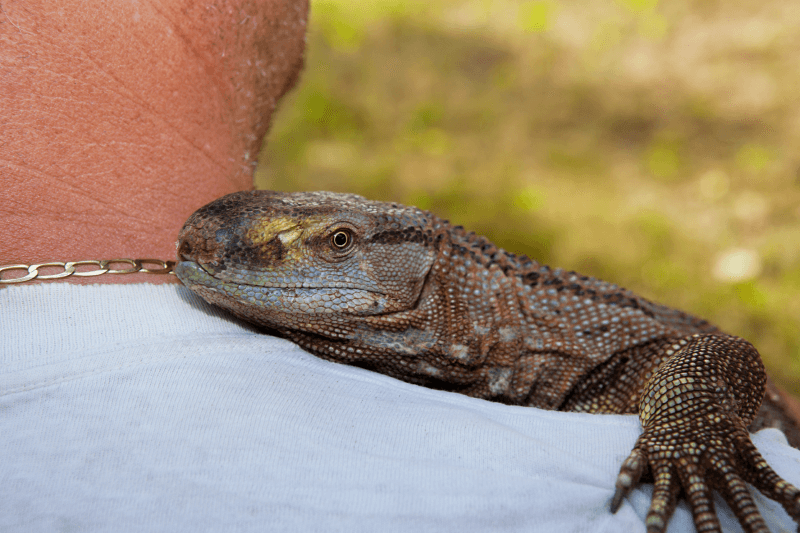 The ownership of exotic pets is growing in the UK.
The term exotic pets includes a wide range of animals, from unusual species of fish, through to tigers. In 2016, a Freedom of Information Act found that Dangerous Wild Animal licences had been issued for the keeping of thirteen tigers, eight leopards, seven cheetahs, and two lions, at domestic properties.
However, most domestically-kept exotic pets are rather less dangerous. Popular species include reptiles, arachnids, amphibians, birds, insects, rodents, and mammals such as ferrets. The Pet Population Report, commissioned annually by the Pet Food Manufacturer's Association, estimated that there were 600,000 birds, and 300,000 lizards kept in UK households in 2016.
The ownership of exotic pets is growing in the UK.
The term exotic pets includes a wide range of animals, from unusual species of fish, through to tigers. In 2016, a Freedom of Information Act found that Dangerous Wild Animal licences had been issued for the keeping of thirteen tigers, eight leopards, seven cheetahs, and two lions, at domestic properties.
However, most domestically-kept exotic pets are rather less dangerous. Popular species include reptiles, arachnids, amphibians, birds, insects, rodents, and mammals such as ferrets. The Pet Population Report, commissioned annually by the Pet Food Manufacturer's Association, estimated that there were 600,000 birds, and 300,000 lizards kept in UK households in 2016.
Why are exotic pets so popular?
People choose to own exotic pets for different reasons. Some enjoy handling different animals and learning about them. If family members have allergies to fur, animals with scales or feathers can provide an alternative. Other people may just want something different from the usual household pets, or see them as status symbols. Sometimes, people feel sorry for an animal in a rescue or a shop and decide to home it.What should prospective owners consider?
Anyone considering buying any kind of pet should consider whether they can meet their needs. Most people are aware of what dogs and cats need, but with exotic pets, they are likely to need to do further research. The main considerations should be: * The environment that they need - many exotic pets require their environment to be carefully controlled, and even that may be more complicated than people may assume. For example, while reptiles need heat, they also need to be able to cool themselves when necessary. Ideally, they should have areas in their enclosure that are different temperatures. * The amount of space they need - animals must have the space and facilities to enable them to display natural behaviour. This may be burrowing, climbing, basking, or hiding. Many rabbits and birds are kept in cages that are too small for their needs and prevent them being able to exhibit normal behaviour * Their life expectancy - tortoises live for 50 to 100 years. Parrots can easily live for 50 years, although one pet macaw is reported to have lived to 112. Potential owners need to consider the commitment they are making. * Their final size - it is easy to buy a reptile or snake without really understanding what size it can grow to. Monitor lizards include the Komodo dragon, which can grow to 2.6 metres in length, and up to 90kg in weight. Micro pigs were very popular at one point, but some actually grew to be the size of a normal farmyard pig. * Their diet - many exotic pets require specialist diets. These can be expensive, especially for larger pets. In addition, handling their food could be unpleasant, for example if they eat mice or chicks. Some exotic pets also require supplements to keep them healthy. * Sociability - does the animal need to be kept with others, or kept away from others? Lovebirds are extremely sociable. While they can be happy if they receive extensive human interaction, it is recommended that lovebirds be kept as pairs, and some breeders will only sell them in pairs. * Compatibility with lifestyle - exotic animals that need a lot of attention and care are unlikely to be suitable for people with busy lives. If affection and interaction are important, a reptile or arachnid will not be suitable.What challenges do exotic pets present?
A serious consideration for any responsible owner is the health and wellbeing of their pet. This starts with their breeding. Many exotic pets are imported rather than being bred in the UK, meaning that owners will have little idea of how they were bred, how they were transported, or any health or welfare problems. Many species have specialist associations, who will be able to help prospective owners locate responsible breeders, who will adhere to high welfare standards. Often, the main challenge for exotic pet owners is finding a vet that is knowledgeable in the care of exotic species. Many veterinary practices do not have anyone qualified to deal with exotic pets. And, even where a practice does, that vet may specialise in certain species and not be so knowledgeable about others. When considering purchasing an exotic pet, it is worth asking the breeder or seller who they recommend. Another problem can be finding someone to care for the animal if the owner goes on holiday. For those species that eat infrequently, such as many reptiles and snakes, they can safely be left alone for a week, as long as they have adequate water. Most other species cannot be left, as they require regular feeding. Finding someone to care for ferrets, birds, and rodents can be difficult, and this needs to be considered before purchase. Again, the breeder or seller may be able to suggest someone who provides holiday pet care.Health and wellbeing
Anyone taking on an exotic pet needs to be aware of common ailments that the species can suffer from, and how to identify them. Prospective owners should familiarise themselves with what is considered normal for the species in terms of eating, drinking, and toileting. While each animal is an individual, there are certain behaviours and functions that a healthy specimen will demonstrate. For example, snakes should shed their skin in one single piece, and shedding it in pieces is a sign of health issues. Once owners have purchased their pet, they should spend time observing their normal behaviour over a period of time so that they are able to identify when something is wrong. Changes in eating habits, skin tone or fur, energy levels, or posture and body language can all be indicators of problems. Sick birds will huddle down on their perch, or have their feathers constantly ruffled, for example.Summary
The popularity of exotic pets continues to grow. Anyone considering acquiring one should carry out extensive research before purchasing one to ensure that they are able to meet the species' individual needs. This includes understanding what space, environment, and diet are required, and ensuring that they will be able to access suitable veterinary care. Understanding the species' normal behaviour and biology is crucial to recognising when pets are sick and need medical attention.Learn with confidence...



 RRP
$100
RRP
$100
Get a FREE Course
Tick this box to Sign up for our newsletter, and get access to the Interview Skills and CV Writing Certificate course for free! By signing up, you agree to our Privacy Notice & Cookie Policy and to receive marketing and related emails from academy+ brands. You can unsubscribe at any time.What our students say about us...

It was an eye opening course that was flexible and easy to access. I was able to complete it from the comfort of my own home whilst also having the tasks to complete which enabled me to check my knowledge. I know feel much more confident in my field of work and really enjoyed doing it.
Ellie Clarke

Fantastic course! Well-presented and challenging with frequent assessments. I feel a serious sense of accomplishment having not studied for over 30 years! Videos that accompany each module are carefully thought out and informative. Am so impressed with this course, have now signed up for 3 other courses and recommending New Skills Academy to everyone!
Marva Hudson

Excellent course, well explained and easy to understand. The course can be done at my own pace and is available on various devices. The layout of the course was excellent and the notes options is very good. The content is perfect and well structured, making it easy to understand and follow. I will definitely be taking more courses in the future.
Luis Costa

The course was clearly set out with helpful end of week tests which built my knowledge. Being dyslexic I found the course was set out in an easy to understand way. I was able to pass the test on my first attempt. The downloaded pdf are a useful resource that you can keep forever. Looking forward to the next course
Ross Dunsten

I found this course incredibly useful, as it provided me with practical knowledge which I can implement in my role as a Support Worker. The videos were clear and concise, and the downloadable worksheets reinforced what I had learned as I was able to put pen to paper. Overall, a fantastic course for a great price! I am looking forward to taking on my next one.
Teleisha Harley

This course is a great way to brush up on my rusty excel skills, I recommend this course to anyone looking for something to do during lockdown, it's easy to use and talks you through each stage step by step. It has given me the confidence I need to further my career.
Georgia Darke

Very interesting and helpful course. I ve learned a lot of interesting things about make up and the tutorials were very helpful and easy to understand. I really reccomend this course for everyone who is passionate about make up and wish to develop their skills and make a career from their hobby.
Nicoleta Lucaci

Wow what an incredible insight for the start of anyone's journey in property. This course gives you so much information and there are tests and questions on each of the modules. The course is very easy to follow and well laid out. You can actually make notes on the pages of each module using the notes tab! I am very excited to say that I passed and I only spent one week on this course. I will print all the PDF information and keep it in a file with my certificate. I feel very confident for my future plans now I have completed this course.
Nichola Anderson